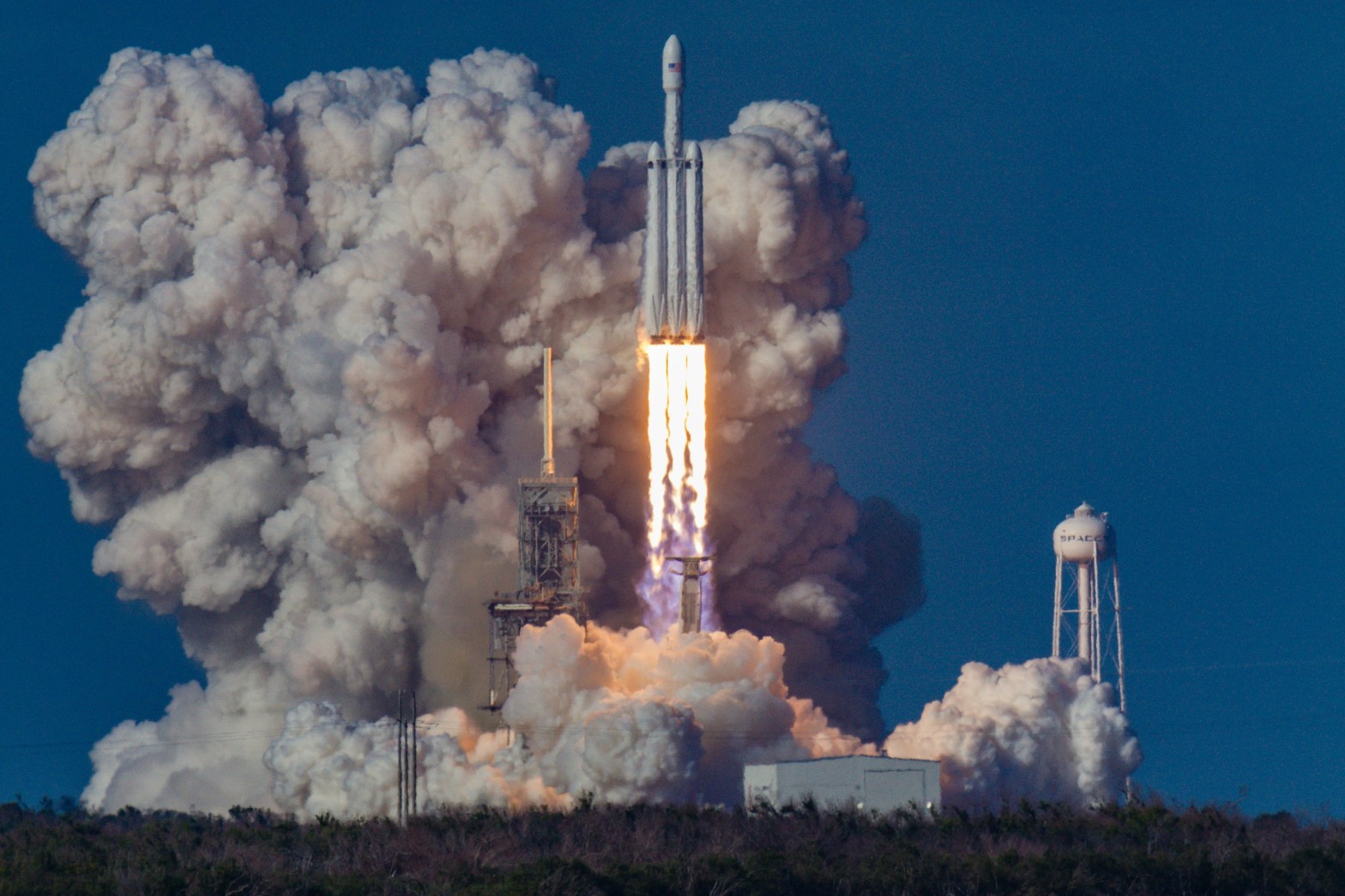
The economy increasingly feels like a rigged casino. The ultra-wealthy are amassing fortunes larger than the budgets of entire nations, while the rest of us are forced to reevaluate what we can sacrifice in terms of rest, stability, and time. Wages are stagnant, prices are rising, yet those in power respond by telling us to “work harder.” Meanwhile, billionaires invest in fantasies of escape, launching themselves into space or constructing bunkers, all while laughing at the thought of leaving the rest of us with a world they have helped to destroy.
It’s no wonder so many of us want to get away from ourselves. We often yearn to break free from our boring routines and explore new places, yet we find ourselves constrained by financial constraints, work obligations, and the comforts of familiarity. This conflict reflects our struggle to balance the desire for adventure with the realities that keep us anchored to our everyday lives.
Daily life can be overwhelmingly noisy, filled with the constant sounds of lawn mowers, cars, barking dogs, leaf blowers, and blaring sirens. I was reminded of this during a visit to Pittsburgh’s Gallery Crawl, where we encountered PARCEC [2013], created by the artist group Macular. The installation featured sixteen metal arms fitted with floodlights that swung erratically, producing a sound reminiscent of a swarm of bees. However, we couldn’t help but refer to it as “Pittsburgh in the Morning,” since we had been rudely awakened at 5 a.m. by the sound of someone jackhammering the sidewalk directly beneath our hotel window.
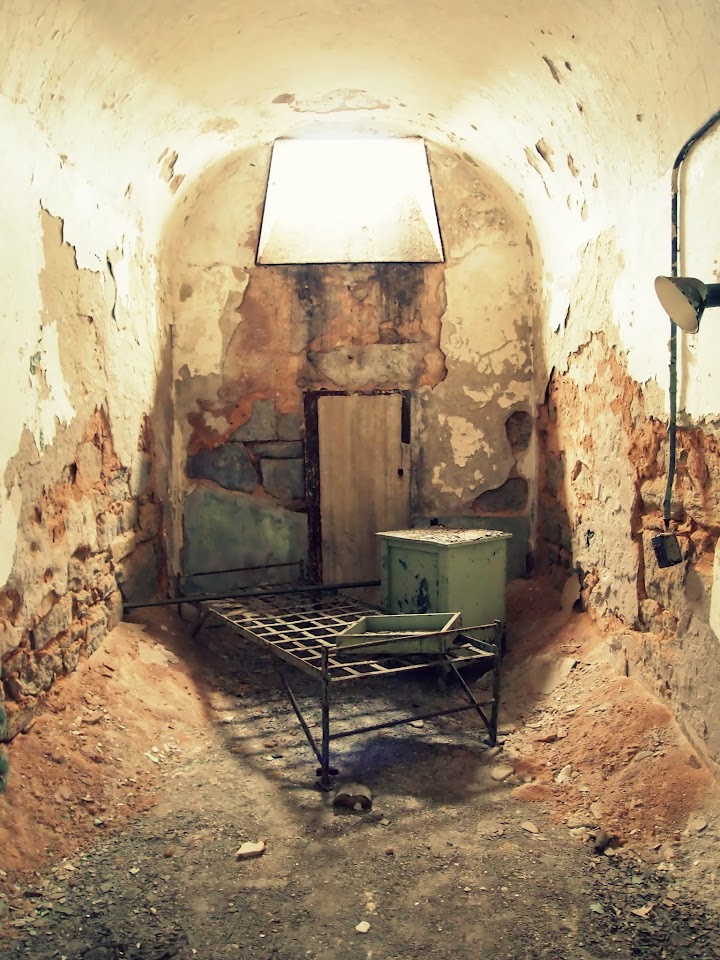
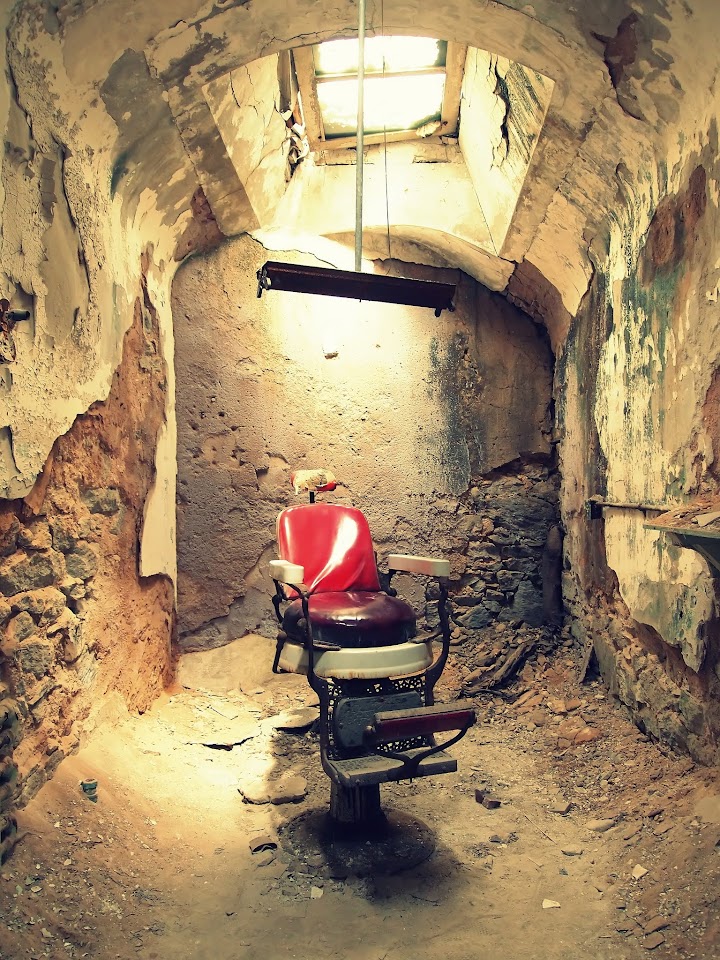
During that same trip, we visited the historic Eastern State Penitentiary, which was designed with an emphasis on silence rather than sound, as the facility believed that isolation was a method of rehabilitation. Each prison cell had thick concrete walls and a single skylight, symbolizing the Eye of God, to suggest that the prisoners were under divine surveillance. As we toured the penitentiary, the eerie silence was palpable. However, instead of provoking deep reflection, it instilled a sickening fear of being alone.
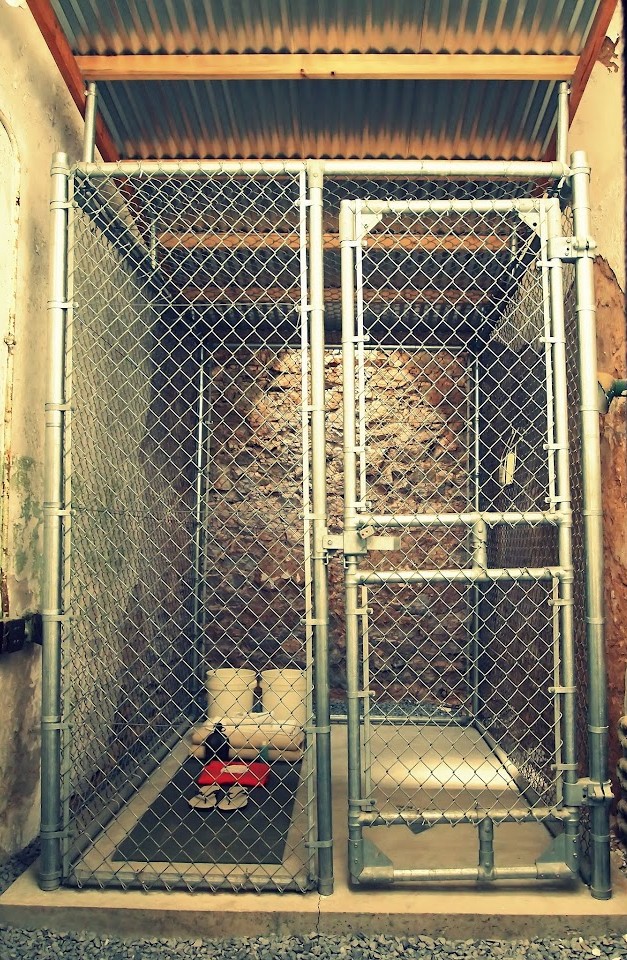
One of the more memorable parts of our visit was seeing an art installation by William Cromar. It featured a Guantánamo Bay prison cell nestled inside an Eastern State cell, much like a Russian doll. The contrast between the two was striking: Eastern State’s cells were heavy and monastic, while the Guantánamo enclosure resembled a dog kennel, fully exposed to light. Despite their differing purposes and aesthetics, both environments aimed to undermine personal freedom and dignity by emphasizing total environmental control.
Overall, what stood out most to us was the staggering cost of the penitentiary system. In some neighborhoods, the long-term expense of cycling residents through incarceration exceeded one million dollars per city block. Instead of using public funds to stabilize these communities, money has been and continues to be spent on repeatedly cycling residents through the criminal justice system. It made us wonder, if that was the cost of punishing the poor, what would it cost to hold those in power accountable? Not just financially, but politically? The answer reveals itself in what we choose not to fund. This imbalance reveals that the system isn’t broken, but is functioning exactly as it was designed.
Meanwhile, the future seems to be arriving all at once. I travel less now because I scrutinize every expense more carefully than I used to. While adjusting to this new reality is manageable, it underscores the broader concern of a dwindling sense of possibility that stretches far beyond my own experience. Interestingly, while hardships are increasing for many, wealth is consolidating nicely among those who are better off. Deep down, everyone knows that something fundamental is out of balance. Yet, there’s a prevailing sense of paralysis, fueled by the belief that these problems are too vast to address, even as the damage continues to mount. This feeling isn’t madness, but a recognition of our reality. The dissonance lies in being aware of this situation while continuing to live within it. Perhaps this is what living through decline actually feels like. We make adjustments where possible, endure what’s deemed necessary, and wait for a change that we know will never come.
My books Memory Road Trip (e-book, paperback) and Time Traveled (e-book, paperback) are both available!


You can reach out to me and apply to be a BETA READER for my latest book, Inner Atlas! Seeking Beta Readers – Literary Travel Memoir – Krista Marson


I love this (would I not? Lifelong Democratic Socialist…) The only thing I missed about it was the absence of a connective line to the promotion of your books. Yes, yes, you touted them in a tag line at the end, but you didn’t actually draw a specific line tying in what you were talking about to what you were writing in those books. Did you not want to?
LikeLiked by 1 person
Good point, I should really mention that. I’m bad at promoting…
LikeLike
Shame on you. Spanky, spanky…
LikeLike