
Aquincum was an ancient city on the northeastern edge of the Roman Empire, near modern-day Budapest, Hungary. It’s believed that Marcus Aurelius wrote some of his book, “Meditations,” while he was stationed there, reflecting on his thoughts on life, leadership, and philosophy.
In “Meditations,” Aurelius discusses resilience, the fleeting nature of life, and the importance of virtue. His reflections offer advice on preserving personal integrity and peace of mind amid chaos, likely influenced by the difficulties he faced as a leader. Here are some of his quotes:
- “Waste no more time arguing what a good man should be. Be one.”
- “If it is not right, do not do it, if it is not true, do not say it.”
- “The mind adapts and converts to its own purposes the obstacle to our acting. The impediment to action advances action.”
- “The best revenge is not to be like your enemy.”
- “Accept the things to which fate binds you, and love the people with whom fate brings you together, but do so with all your heart.”
It’s really a shame that his son, Commodus, was everything that Aurelius was not.
They were both Roman emperors but had significantly different leadership styles and philosophies. Aurelius was known for his Stoic values, emphasizing virtue, duty, and responsibility, and is often regarded as a philosopher-king who led with wisdom and integrity. He focused on maintaining the empire’s stability during challenging times. In contrast, Commodus was characterized by self-indulgence and a preference for entertainment, engaging in gladiatorial combat and neglecting serious governance. This led to increased instability and corruption in the empire. While Aurelius is celebrated as one of the “Five Good Emperors,” Commodus is remembered as a controversial and tyrannical ruler, marking a significant departure from Aurelius’s principled leadership.

The day we visited, winter officially arrived, and it was bitterly cold out. Despite this, we were determined to explore every inch of the site, so we imagined ourselves as ancient Roman soldiers on patrol.
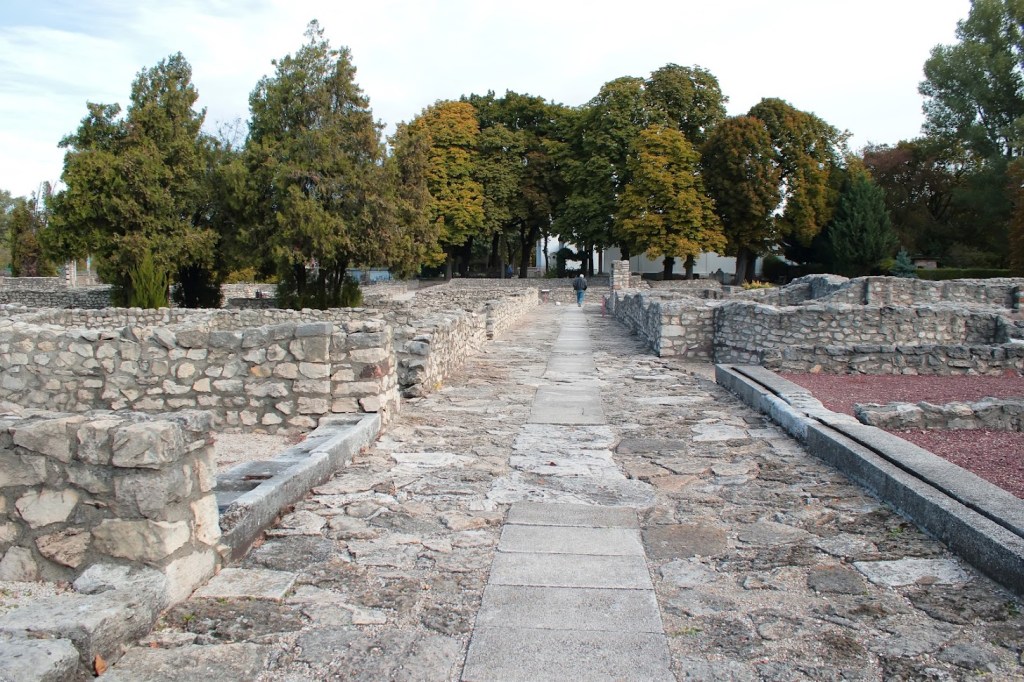
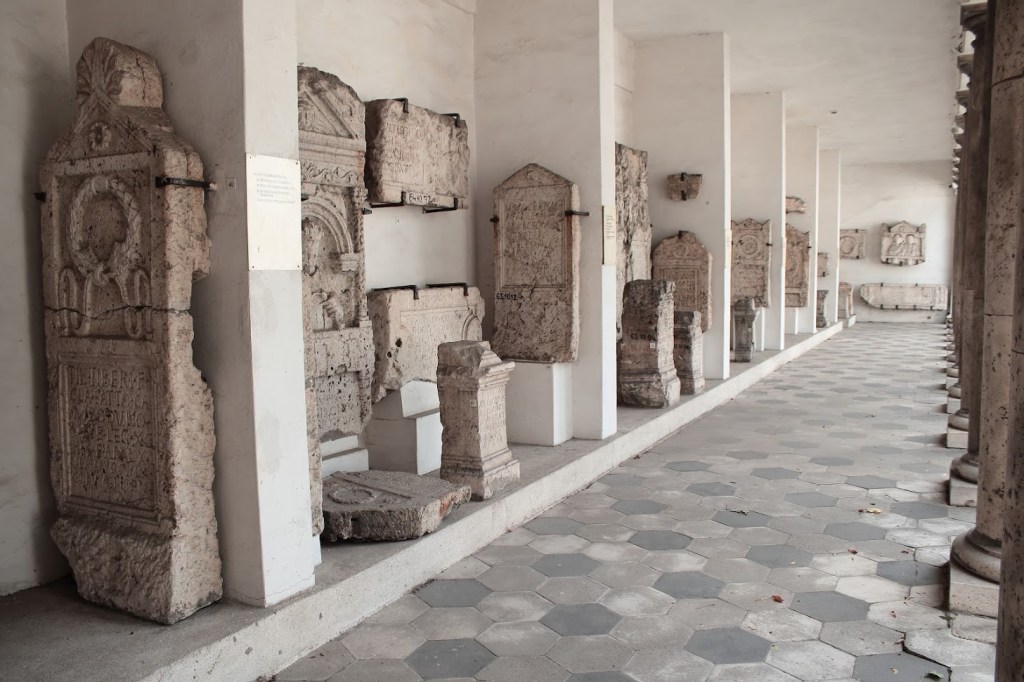
There were a lot of interesting artifacts, and the most fascinating one was an ancient pipe organ that was discovered there in 1931. It dates from AD 228, and it is the only known authentic and relatively complete example of a Roman pipe organ.

This video does a good job demonstrating the device (even though it’s in Hungarian):
Here’s another one of the organ being played:
Overall, it was a cool place to visit!

My books Memory Road Trip (e-book, paperback, audio) and Time Traveled (e-book, paperback, audio) are both available! You can also find them at most major international book sites.


Marcus is my hero, although that heroism for me was tainted quite a bit by the effects of Stoicism as sold by certain contemporaries who have turned it into something slightly different for their own purposes.
LikeLiked by 1 person