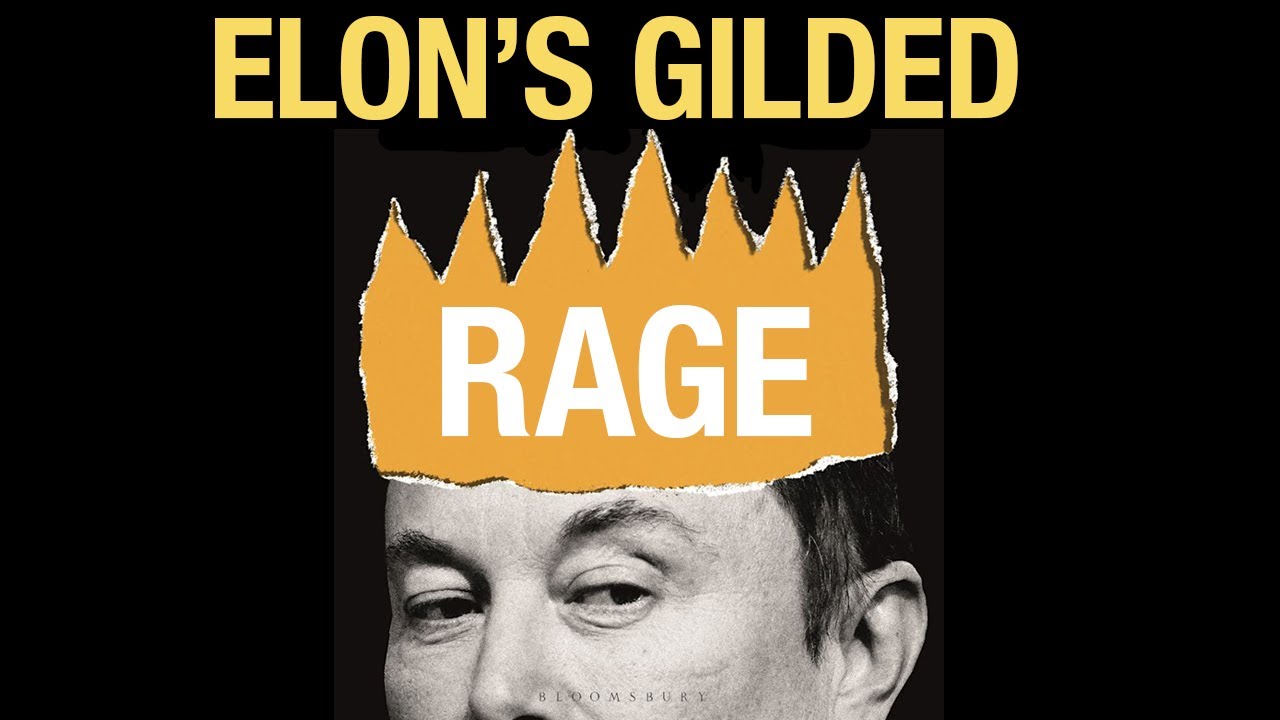
“Gilded Rage: Elon Musk and the Radicalization of Silicon Valley” by Jacob Silverman critiques Elon Musk as a polarizing figure in modern tech culture. The book explores how ultra-wealthy individuals often view democracy as a constraint on their ability to accumulate wealth. Silverman delves into Musk’s complex persona and highlights how his libertarian views symbolize a tech elite that frequently prioritizes profit over democratic values and collective responsibility.
The damage caused by billionaires feels all too real to me; it seems as if the walls are closing in around society. What disturbs me most is how casually this new ideology discusses “exit,” treating the abandonment of society as if it were a form of innovation. Tech extremism, in this sense, isn’t merely a political trend; it represents an emotional stance. It illustrates how some individuals are willing to abandon the idea of working together in a democracy because they believe collaboration takes too long compared to simply getting things done with code.
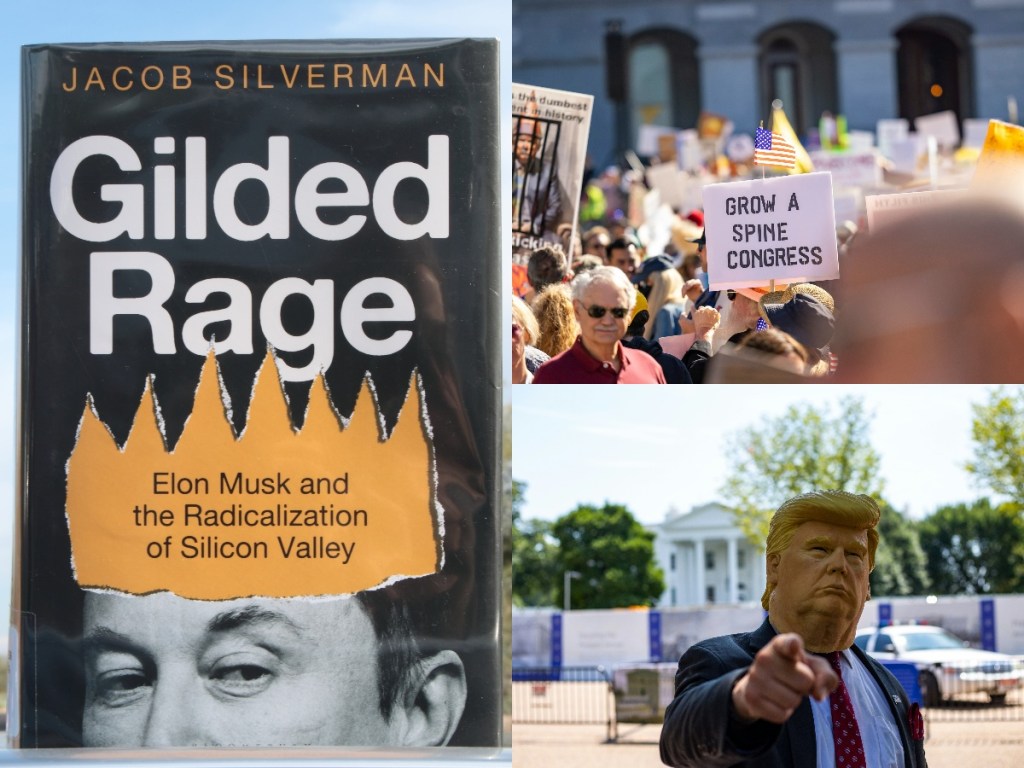
The author argues that Musk’s influence reflects a troubling radicalization within the tech community, contributing to a culture that often dismisses social accountability. Silverman addresses the darker elements of Silicon Valley’s ethos, including wealth inequality and anti-regulatory sentiment. “Gilded Rage” is a thought-provoking examination of the intersections between technology, capitalism, and political ideology, prompting readers to critically assess the implications of unfettered ambition and the importance of collective ideals in a functional society.
When I hear discussions about the “Network State” in terms of crypto cities or charter enclaves, it doesn’t sound like a futuristic concept to me. It feels like a form of secession executed through spreadsheets. Citizenship is being reduced to terms of service, with belonging contingent on wealth.
So, where does this leave people like me? We are still embedded in the old nation-state, remaining dependent on public institutions that are now being hollowed out by the very wealth that enabled them. I don’t have the option to leave; I have to live with the consequences of deregulated technologies, captured policies, and a political system that is increasingly responsive to capital rather than to citizens.
The philosophical foundation behind all of this, which involves flirtations with technocratic monarchy and the dismissal of democracy as inefficient, feels less like a thoughtful experiment and more like preparation for something unsettling. It’s a way to normalize hierarchy and present authoritarianism under the guise of optimization.
Venture capital once marketed itself as risk-taking in the service of the future. Now, those risks are socialized while sovereignty is privatized. Fortunes built on public infrastructure are being redeployed in a manner that allows escape from public obligations altogether.
That’s the part that feels personal: realizing that the systems shaping my life, governance, labor, environment, and information are increasingly influenced by actors who do not believe they should be accountable to me at all.
In their vision, society is optional. Democracy is perceived as mere legacy code. Meanwhile, the rest of us remain inside the system that the oligarchs are trying to outgrow.

My books Memory Road Trip (e-book, paperback) and Time Traveled (e-book, paperback) are both available! You can also find them at most major international book sites.
 Krista Marson