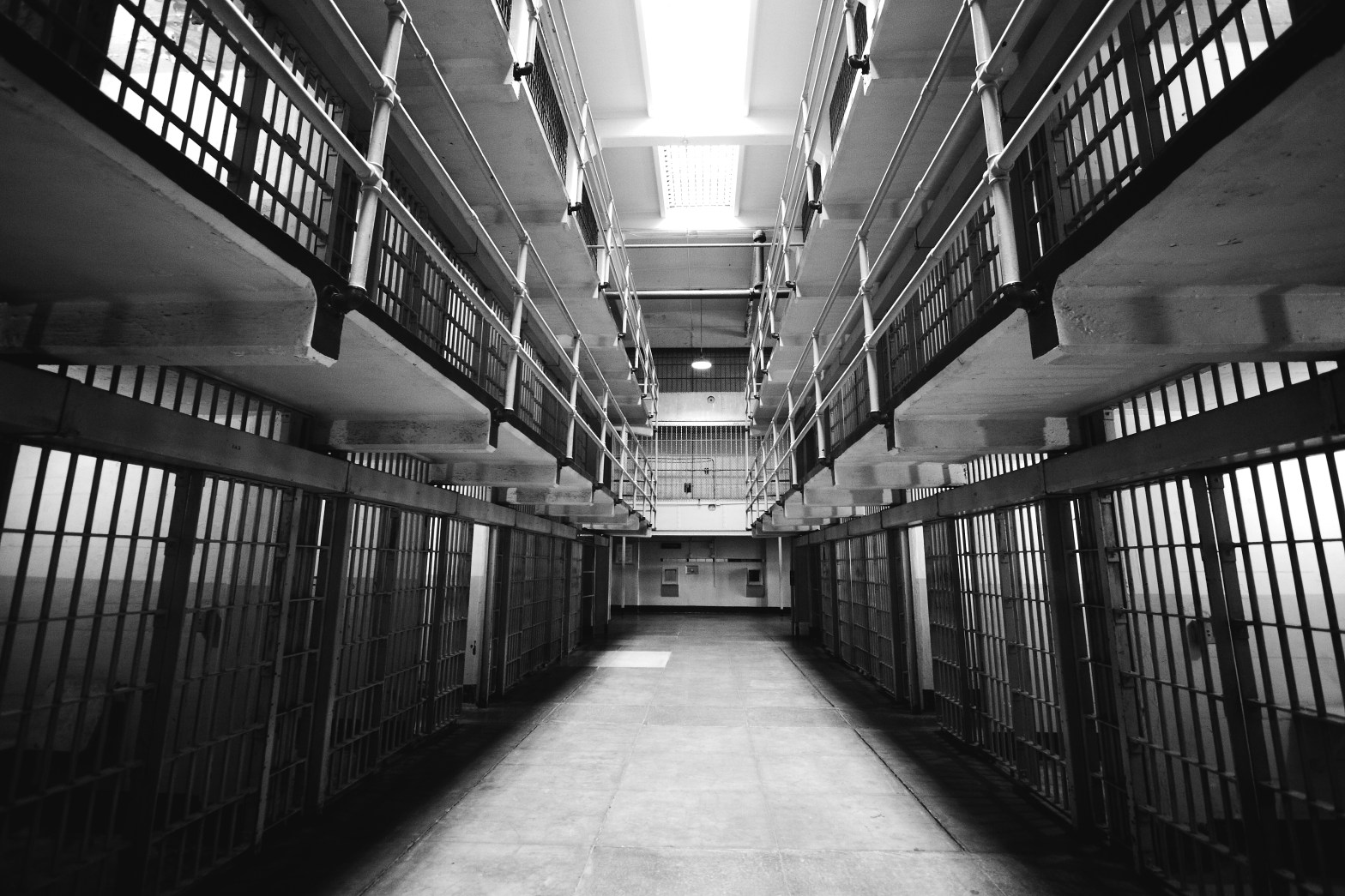
I shot these photos in January 2015. I took the first ferry over to be the first visitor inside so I could snap pics of the interior without anyone there. I ran up the hill to beat everyone because there was a horde of 250+ people behind me.
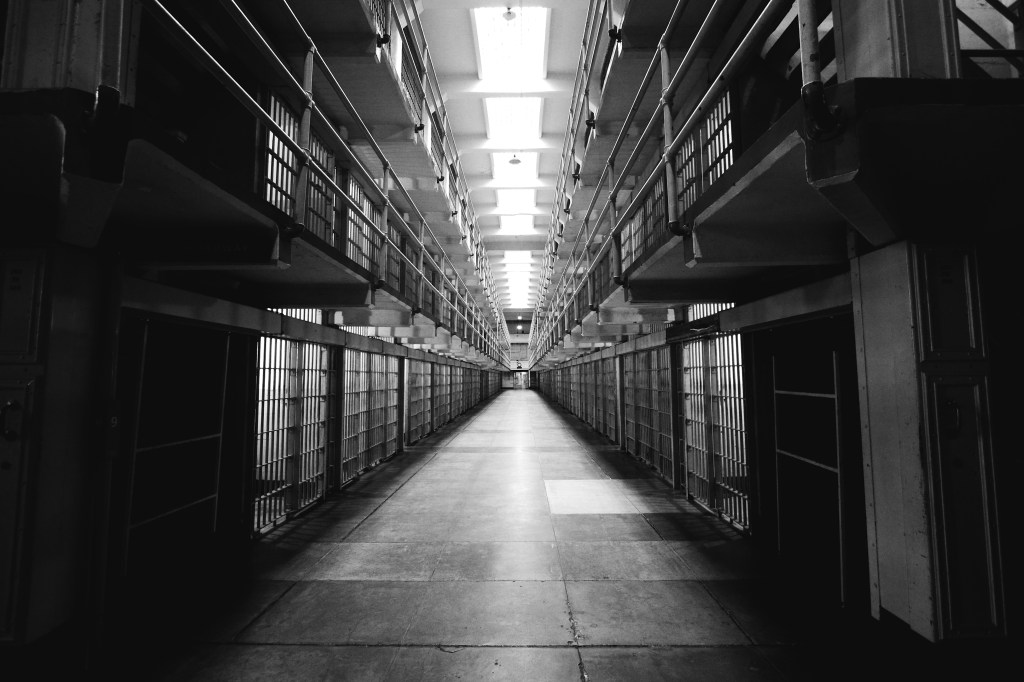
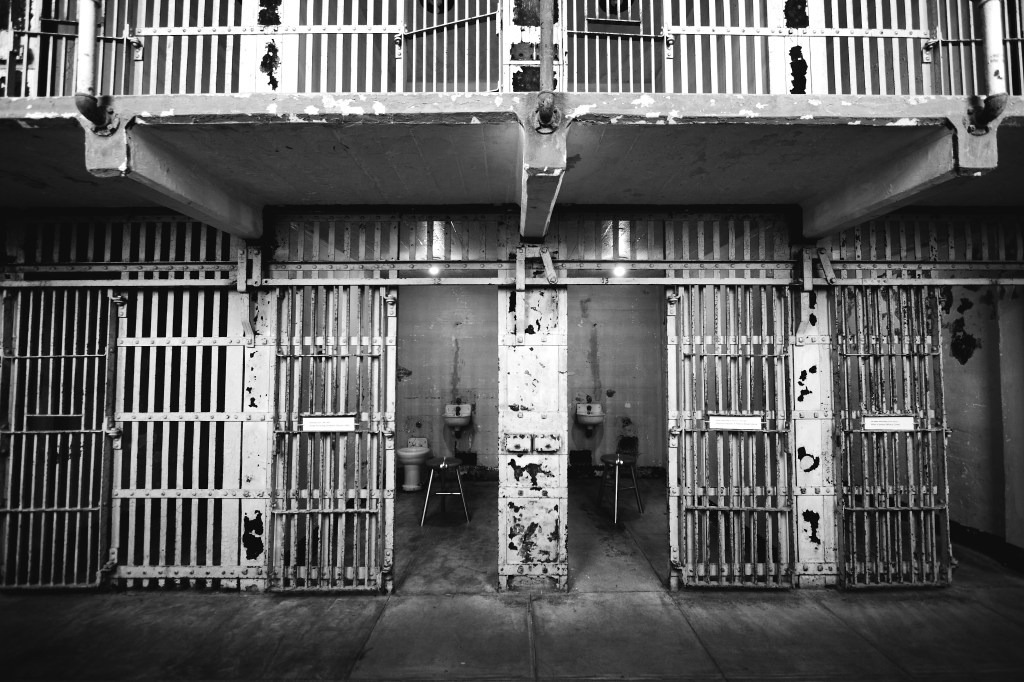
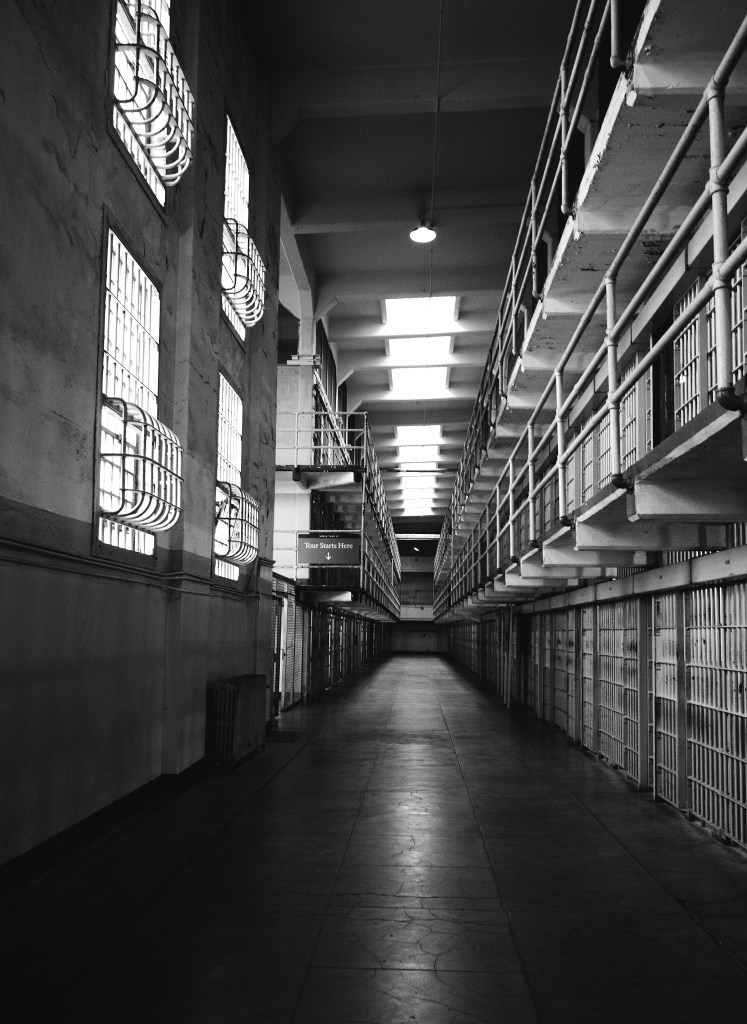
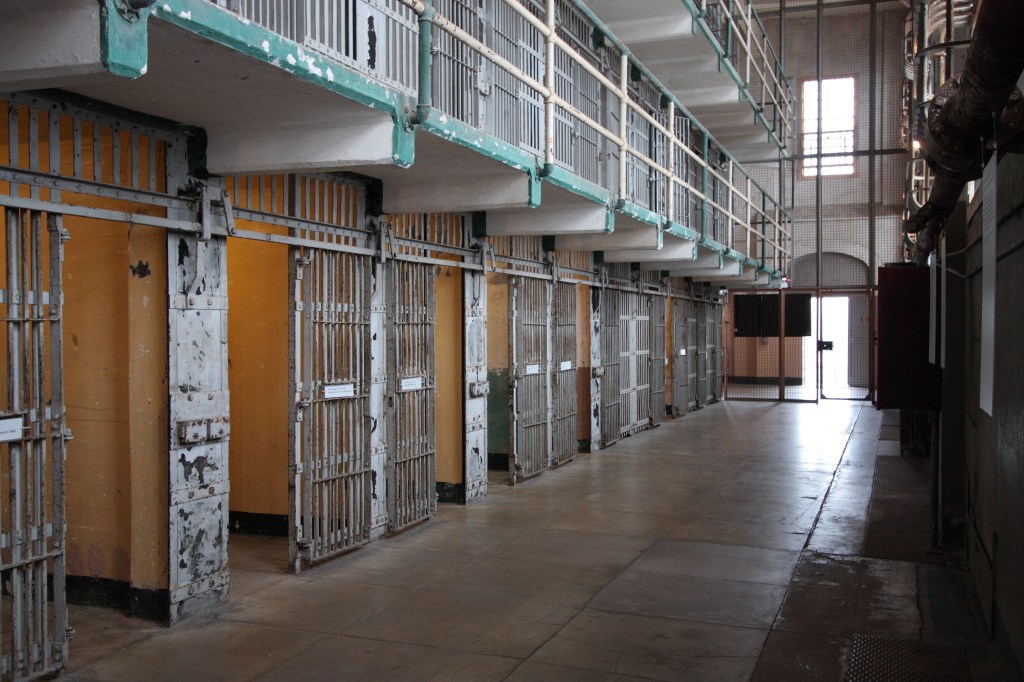
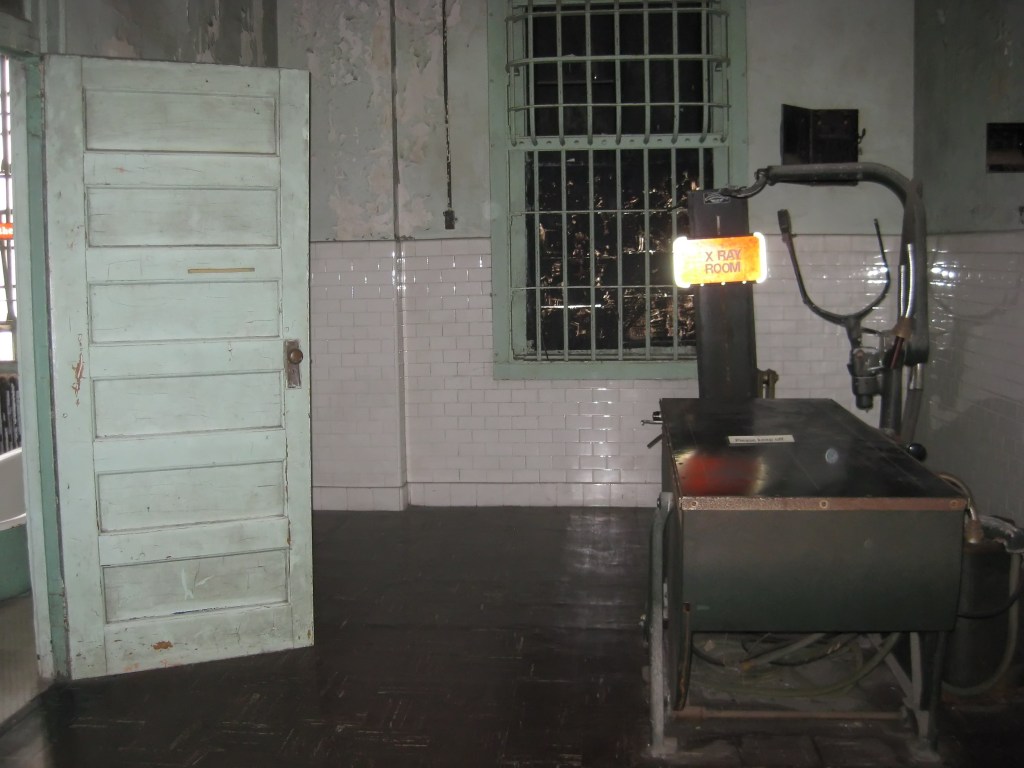
the rooms felt cold, damp, and lonely….


The fact that anyone would consider reopening this prison is delusional.
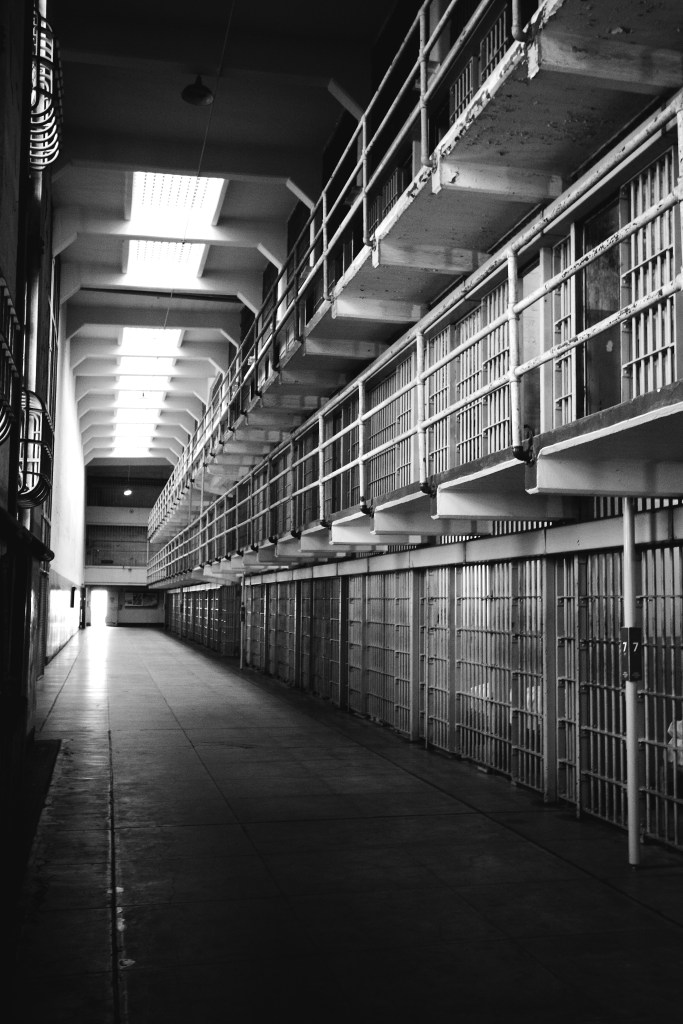

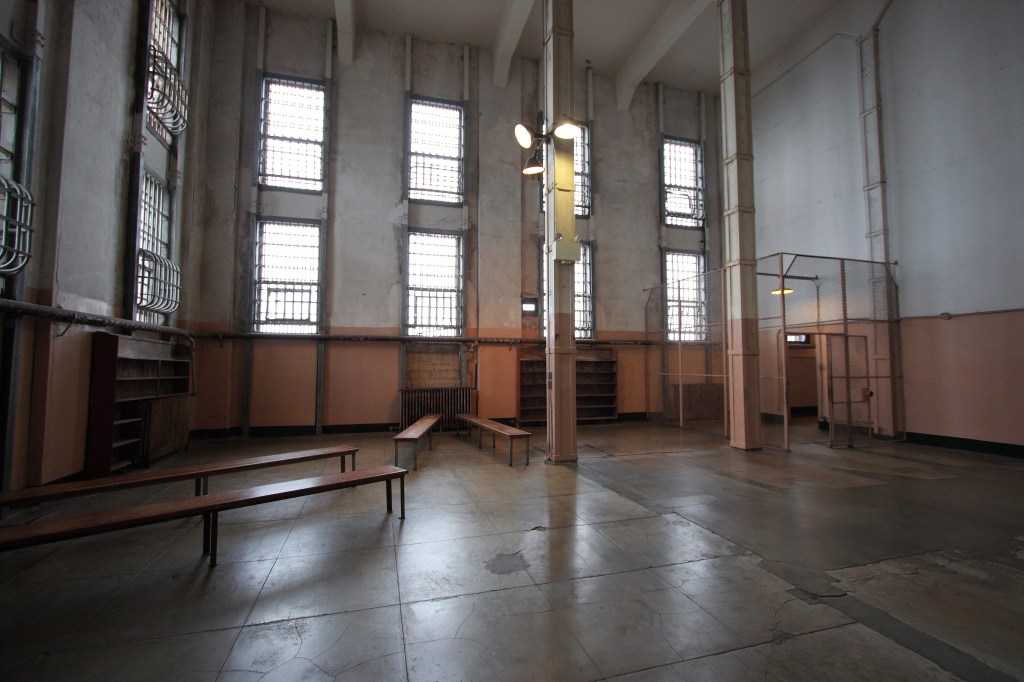

These rooms were found in the ‘A’ block. At the time of my visit, the Chinese artist Ai Wei Wei was holding a “sound” exhibition in those cells. Inside each room, visitors were invited to sit and listen to spoken words, poetry, and music by people who have been detained for the creative expression of their beliefs. It was very moving. (my favorite was the recording of the poem “Massacre”‘ (an angry, howling rant against the government and a plea for support for the fledgling pro-democracy movement after the Tiananmen Square massacre) by Chinese dissident Liao Yiwu… there was power and anger in his voice.)
Liao Yiwu was in his early 30s when he was arrested for writing and performing a poem about the brutality of the Tiananmen Square Massacre in 1989. His poem — simply called “Massacre” — was an angry, howling rant against the government and a plea for support for the fledgling pro-democracy movement.
For his words, Liao served four years in jail, where he was repeatedly beaten and tortured. Twice he tried to commit suicide. But his life turned around when he met a fellow political prisoner: an 84-year-old monk who showed him that music could be his salvation. “He told me that you will never have freedom, if you don’t have freedom in your mind. And so he taught me to play the flute”
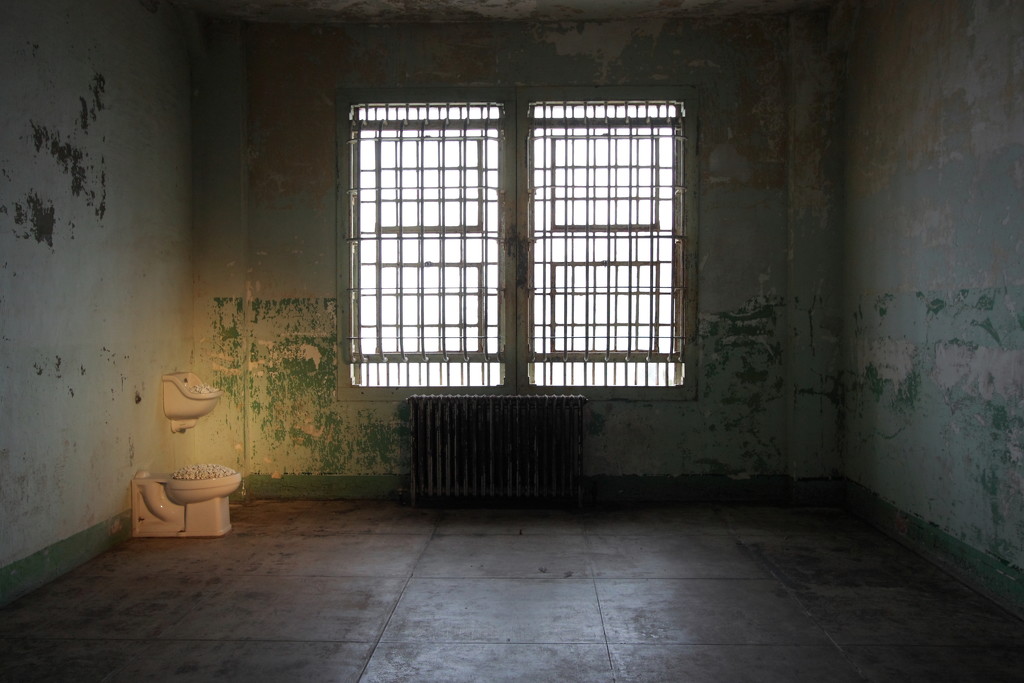
This image is of a prison toilet/sink that was part of an art installation called “Blossom” by Ai Wei Wei. The work could be seen as symbolically offering comfort to the imprisoned, as one would send a bouquet to a hospitalized patient.
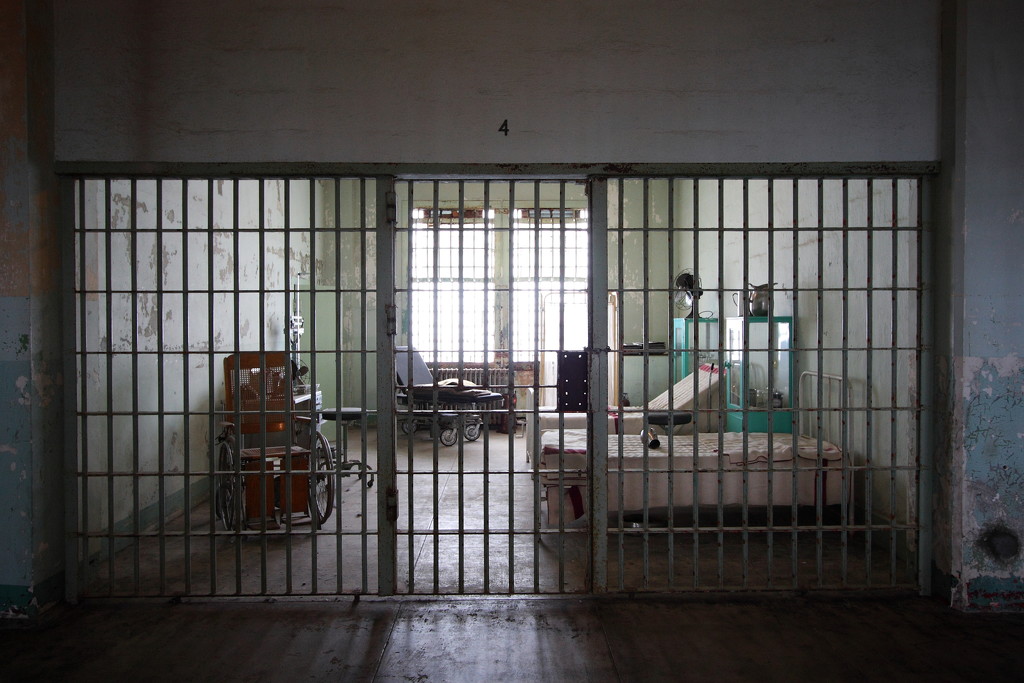
The next two photos were of the prison hospital.
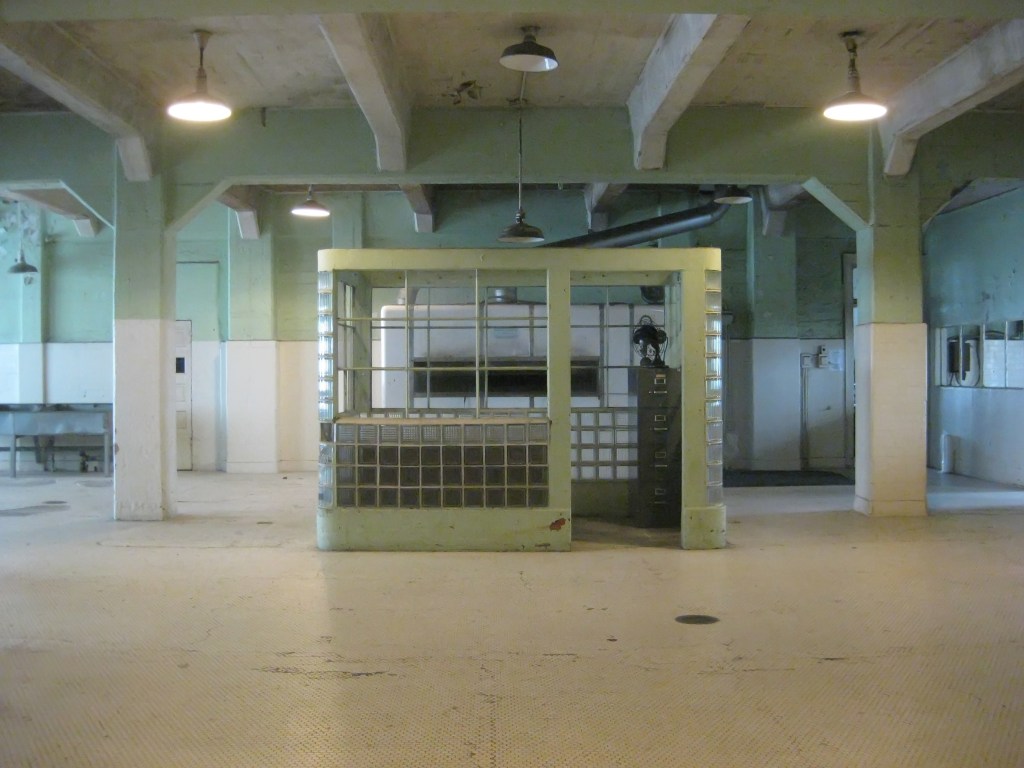
This is a photo of the art deco kitchen. There was a board featuring painted shapes of knives that the cooks used. At the end of their shifts, the cooks would hang up the knives according to the silhouette on the board. The guards could easily identify the missing shape if a knife went missing. Interestingly, the food at Alcatraz was considered better than that served in most other U.S. prisons at the time. Additionally, Alcatraz claimed to be the only prison offering hot showers, as they didn’t want prisoners to become accustomed to cold water, which could aid in potential escapes in the island’s frigid waters.

My books Memory Road Trip (e-book, paperback, audio) and Time Traveled (e-book, paperback, audio) are both available! You can also find them at most major international book sites.
 Krista Marson
Strangely enough, I usually find black and white photos more sober — and often darker too, given the obvious absence of colour. But here, it’s the colour images that feel more depressing than the B&W ones. Quite the reversal!
LikeLiked by 1 person
I totally know what you mean. The color shots give that added dose of reality….
LikeLike