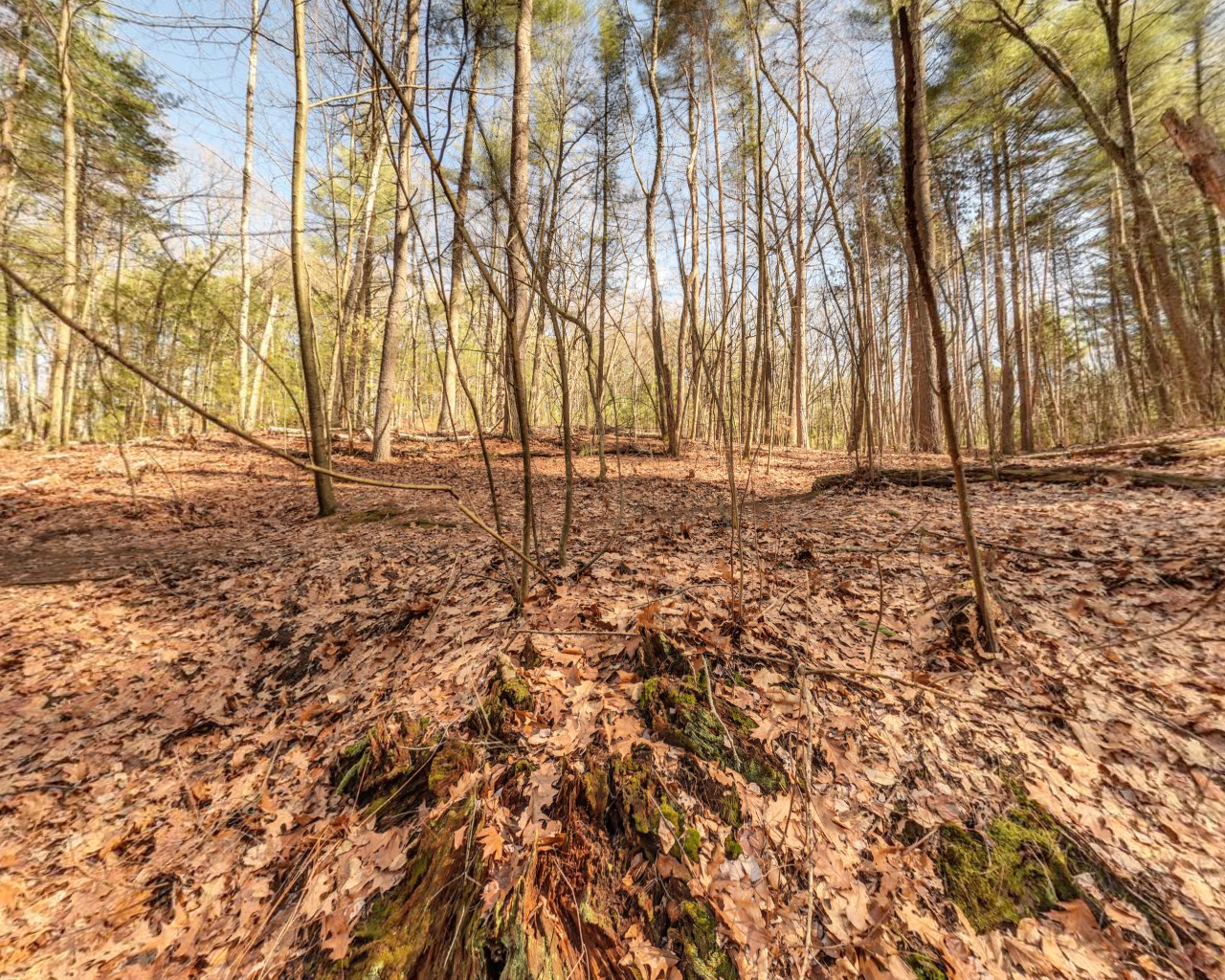
After spending some quality time with the works of Thoreau, I arrived at some poignant conclusions:
The inner life can be understood only as part of the larger life of nature.
The language of stillness, acceptance, non-resistance rather than militant willfulness.
I must receive my life as passively as the willow leaf that flutters over the brook. I will grow as nature determines.
Thoreau’s walks in nature brings him to life again, awakens his slumbering awareness. A spring awakening of the hidden, slumbering life beneath the earth’s surface, an eternal spring of the mind.
On Walden: Begin the grand process of devouring yourself alive. A life in the woods offered an opportunity to establish a daily life centered on contemplative self-discovery and spiritual discipline. The development of an inner life.
He withdrew in order to stop himself being a social reflection, to realize what being a free individual meant.
He conveyed a feeling of oneness with his environment.
He looked at nature and tried to find that same nature in man.
Thoreau’s ‘self’ was being devoured, merging with all that was around him and all that he was aware of.
Thoreau’s art of living well: He was opposed to idleness. When he needed money, he worked in a job agreeable to him, made enough, and then stopped working. He had few wants.
“We all live lives of quiet desperation.” What is called resignation is confirmed desperation.
Among many other things, his book Walden advocates solitude, self-reliance, contemplation, proximity to nature, and renouncing luxuries as means of overcoming human emotional and cultural difficulties. Thus, Thoreau in fact suggests in the book that people can stop leading lives of desperation and can improve their condition. The Walden experiment was initiated by the conviction that there is no need to go on living in desperation, quiet or not.
“I went to the woods because I wished to live deliberately, to front only the essential facts of life, and see if I could not learn what it had to teach, and not, when I came to die, discover that I had not lived. I did not wish to live what was not life, living is so dear; nor did I wish to practice resignation, unless it was quite necessary. I wanted to live deep and suck out all the marrow of life, to live so sturdily and Spartan-like as to put to rout all that was not life, to cut a broad swath and shave close, to drive life into a corner, and reduce it to its lowest terms, and, if it proved to be mean, why then to get the whole and genuine meanness of it, and publish its meanness to the world; or if it were sublime, to know it by experience, and be able to give a true account of it in my next excursion. For most men, it appears to me, are in a strange uncertainty about it, whether it is of the devil or of God, and have somewhat hastily concluded that it is the chief end of man here to “glorify God and enjoy him forever.”
Thoreau neither rejected civilization nor fully embraced wilderness. Instead he sought a middle ground, the pastoral realm that integrates nature and culture
Readings: Walden, a reflection upon simple living in natural surroundings, and his essay “Civil Disobedience” (originally published as “Resistance to Civil Government”), an argument for disobedience to an unjust state.

 Krista Marson